

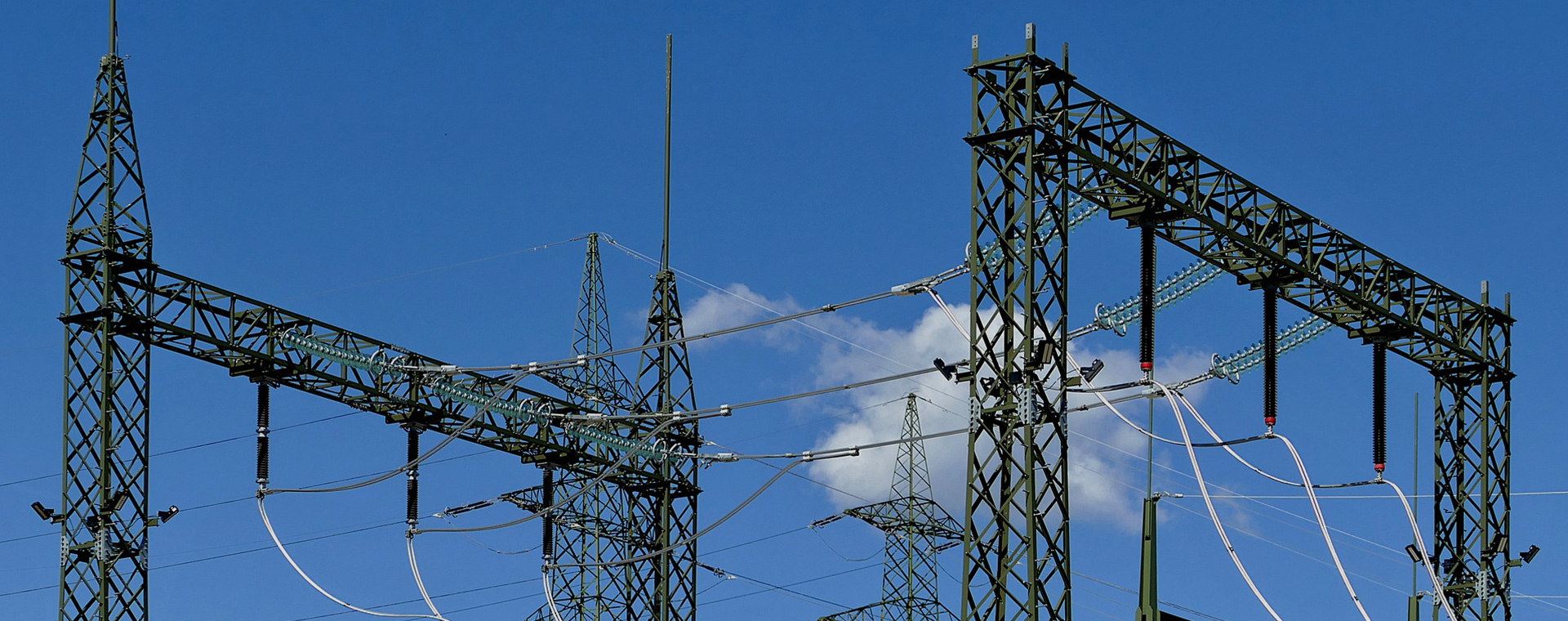
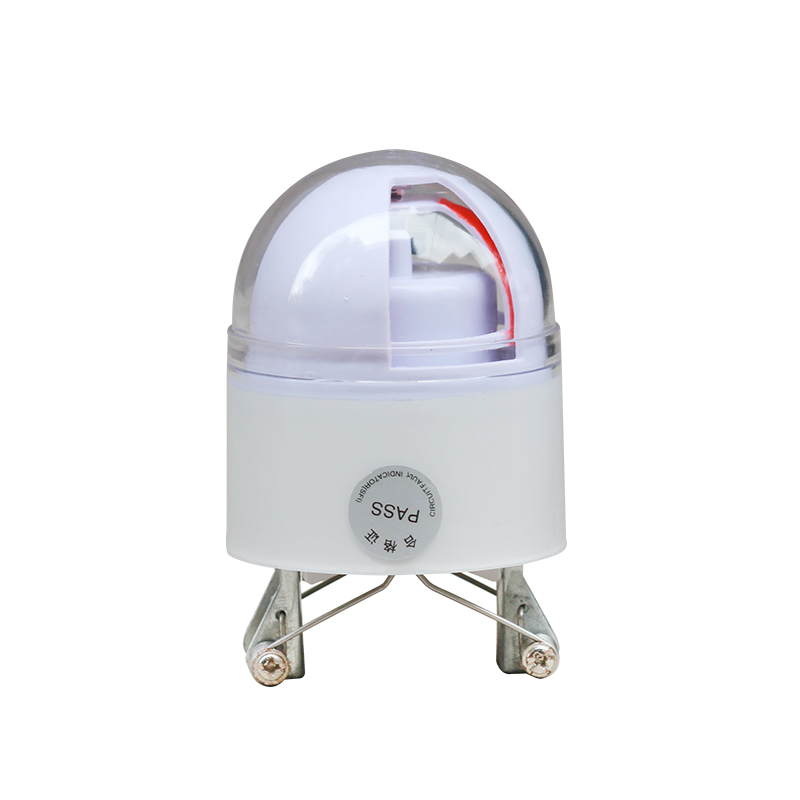
The JDG-Y and JDX-Y are similar in appearance, features, functions, applications, and technical specifications. They have the same internal structure and working principle. However, the JDG-Y is equipped with a device that allows it to emit light at night.
Four-in-one intelligent multi-functional indicator: In response to feedback from many domestic customers, when checking the fault flipping effect at night, a flashlight is required to see clearly, and each item must be illuminated individually to find the fault point. The visibility distance is relatively short, and the speed of fault finding at night is relatively slow. Therefore, our company has added a light-emitting device to the original two-in-one product to meet the needs of customers, namely the JDG-W series which flips the cards during the day and illuminates at night.
The principle of ground fault indication is the same as the two-in-one indicator: three phototubes and a high-brightness LED are added to the original two-in-one fault indicator. During the day, when a line fault occurs, the indicator flips a display. At night, when it's dark, the resistance of the phototubes increases. This activates the microcontroller, resetting the display and simultaneously turning on the LED. When it gets light, because the indicator's preset reset time has not yet elapsed, the phototubes receive light, reducing their resistance. The microcontroller resets, turning off the LED and activating the display mechanism, thus restoring the display indication.
Installed in the middle section and at the branch entrance of long lines, it can indicate the faulty section and faulty branch of the line.
Installed at the substation outlet, it can determine whether the fault is caused by the user.
Installed at the user's transformer inlet, it can determine whether the fault is caused by the user.
Installed at the connection between the cable and the overhead line, it can distinguish whether the fault is in the cable section.
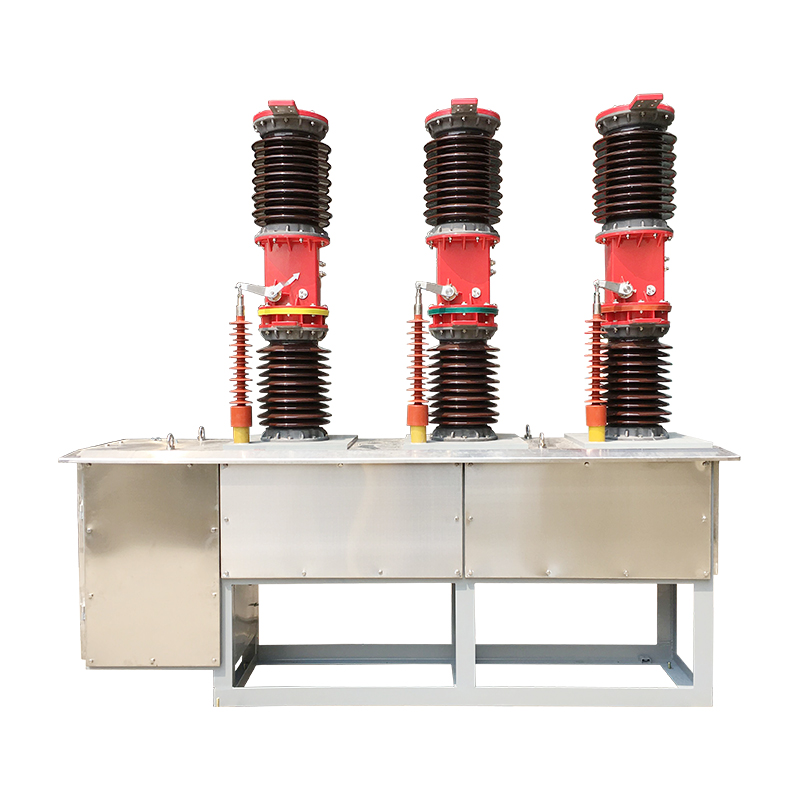
ZW7-40.5户外高压真空断路器ZW7-40.5户外高压真空断路器ZW7-40.5户外高压真空断路器ZW7-40.5户外高压真空断路器
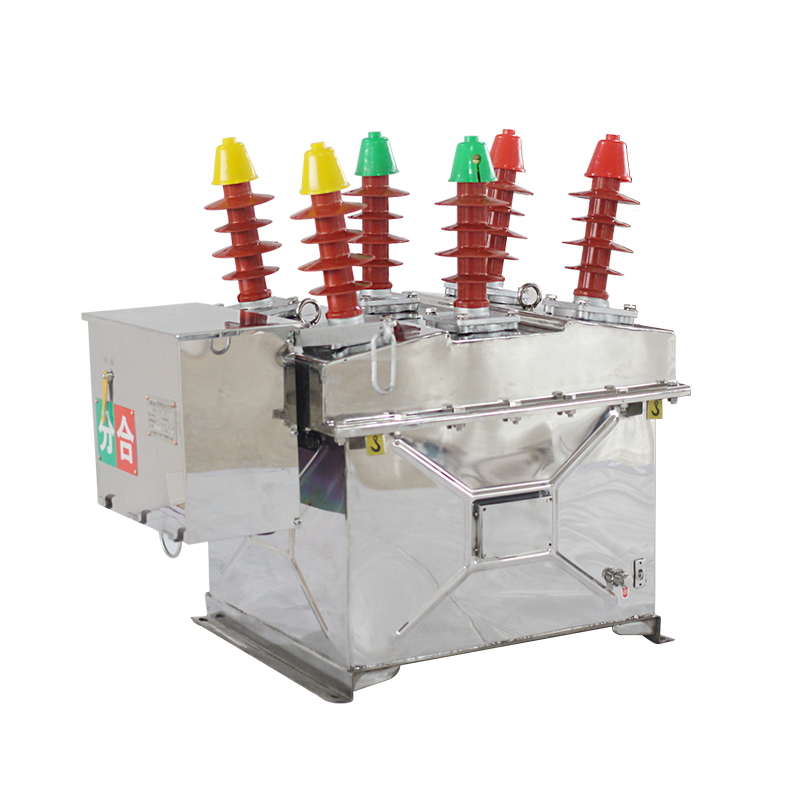
ZW8- 12户外高压真空断路器ZW8- 12户外高压真空断路器ZW8- 12户外高压真空断路器ZW8- 12户外高压真空断路器
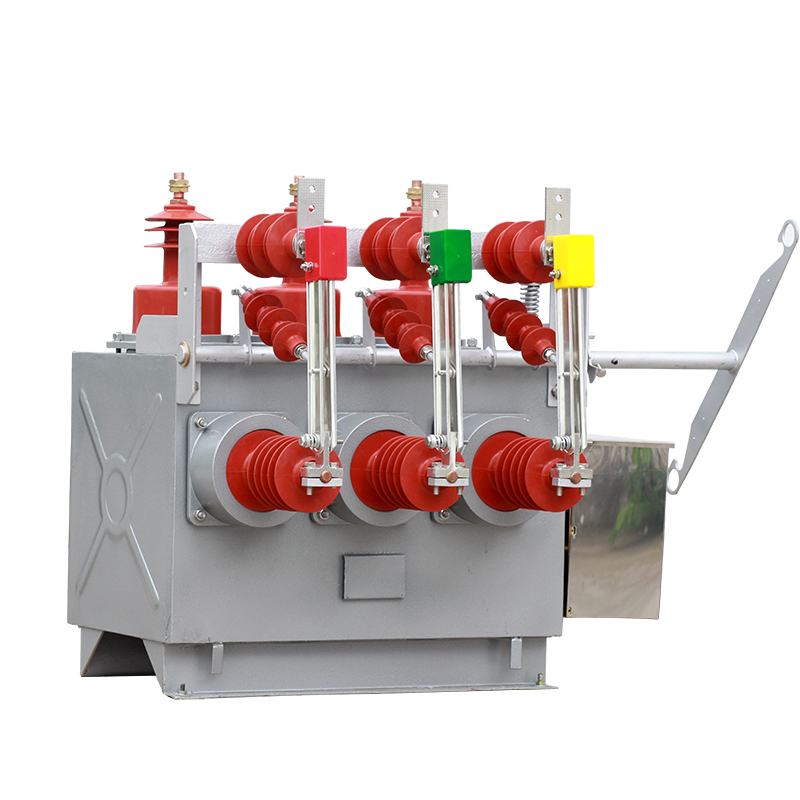
ZW10-12户外交流高压真空断路器ZW10-12户外交流高压真空断路器ZW10-12户外交流高压真空断路器ZW10-12户外交流高压真空断路器
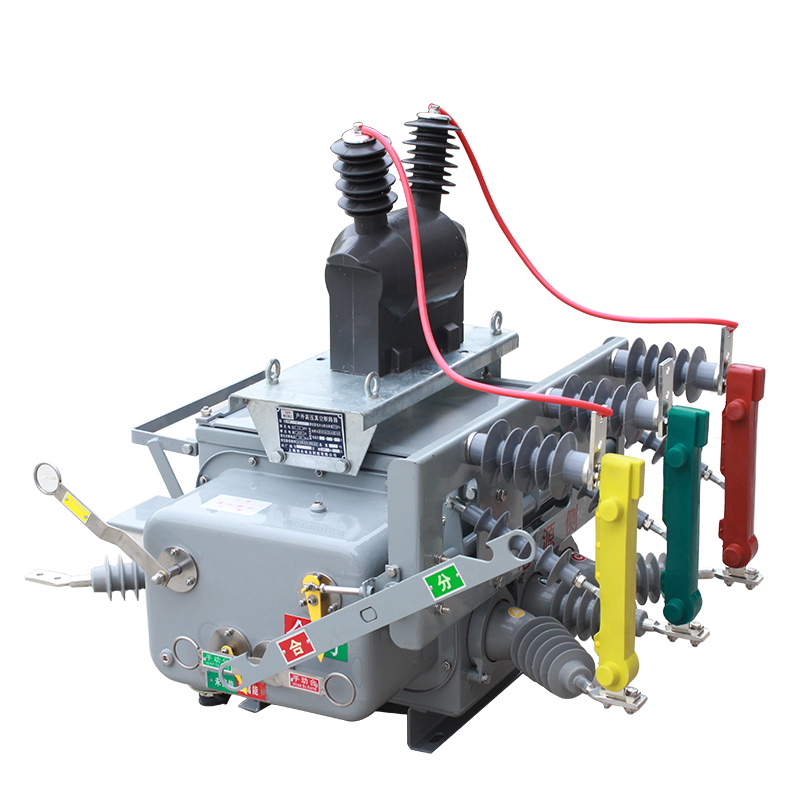
ZW20-12F户外柱上高压智能真空断路器ZW20-12F户外柱上高压智能真空断路器ZW20-12F户外柱上高压智能真空断路器ZW20-12F户外柱上高压智能真空断路器
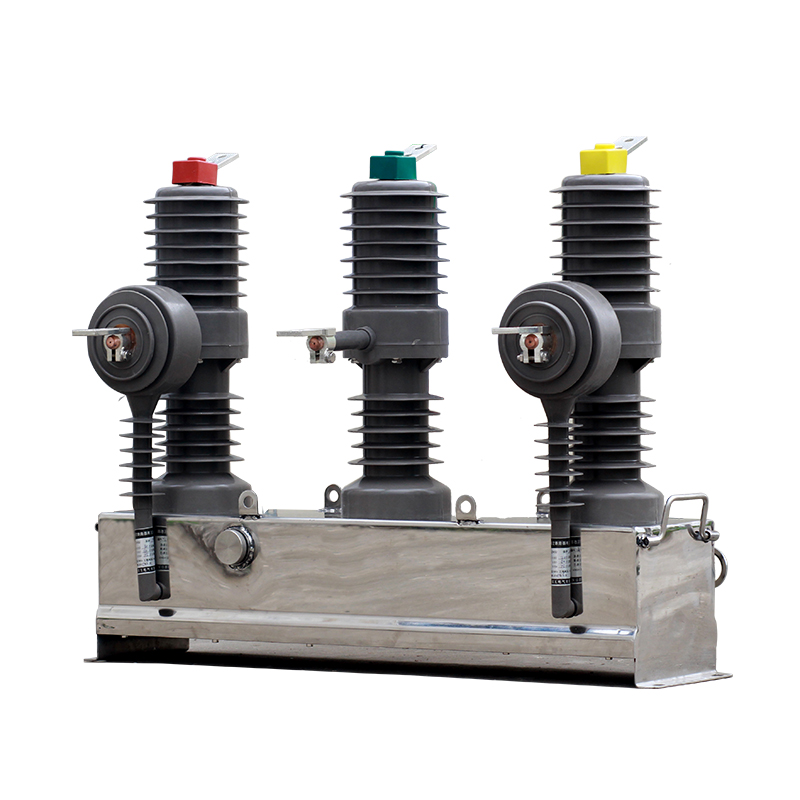
ZW32-12户外高压真空断路器ZW32-12户外高压真空断路器ZW32-12户外高压真空断路器ZW32-12户外高压真空断路器
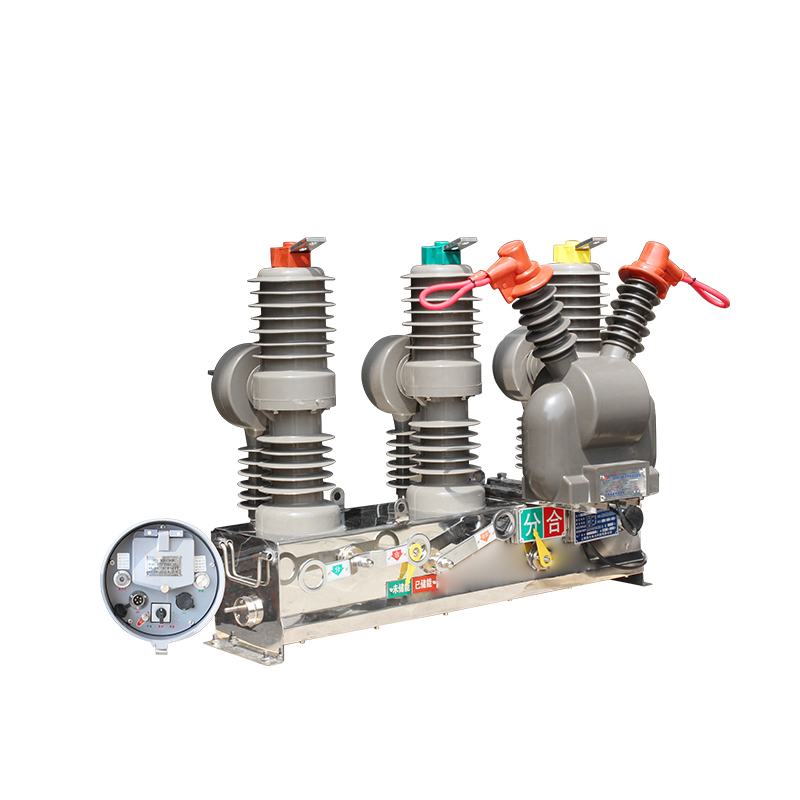
ZW32-12F户外交流高压真空分界断路器ZW32-12F户外交流高压真空分界断路器ZW32-12F户外交流高压真空分界断路器ZW32-12F户外交流高压真空分界断路器
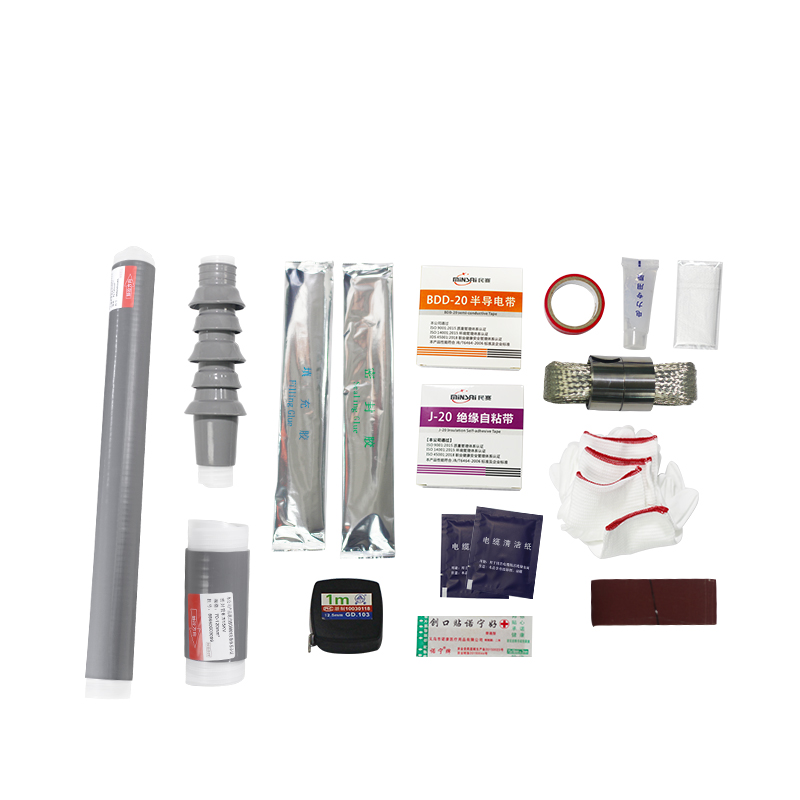
WLS-10-1.1-1.4WLS-10-1.1-1.4WLS-10-1.1-1.4WLS-10-1.1-1.4
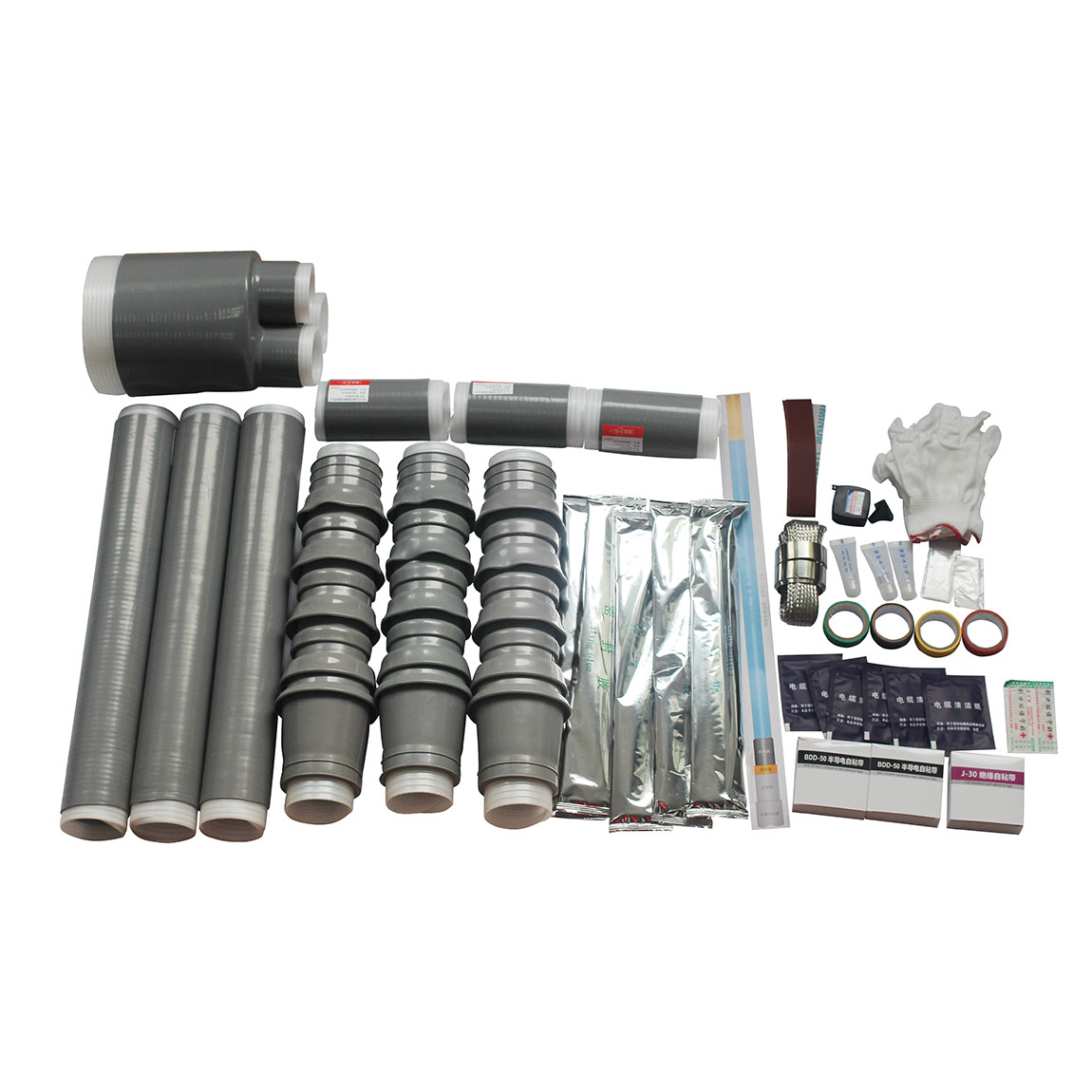
WLS-35户外三芯WLS-35户外三芯WLS-35户外三芯WLS-35户外三芯
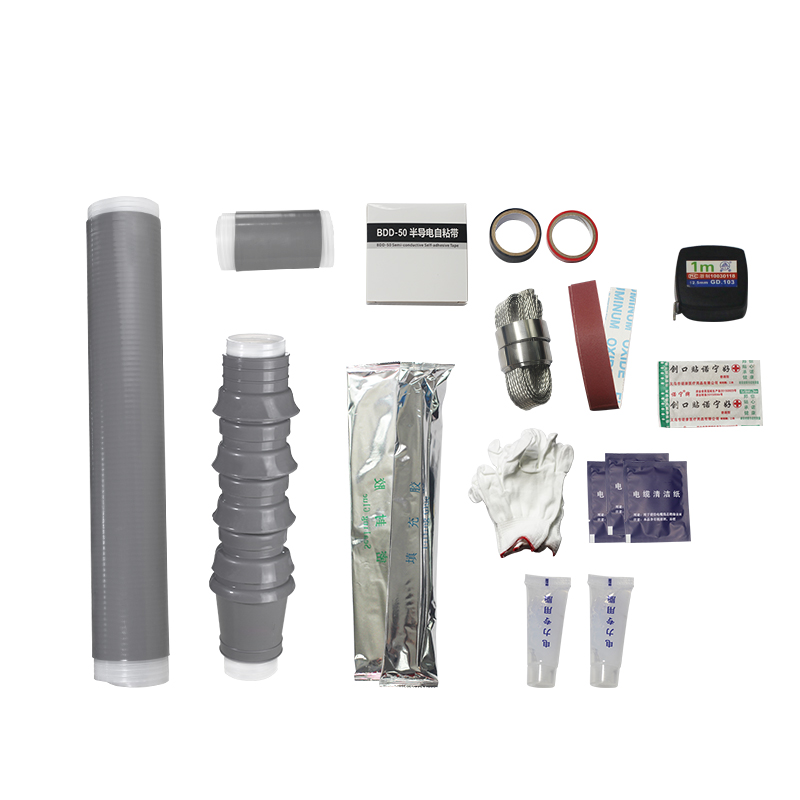
WLS户外单芯WLS户外单芯WLS户外单芯WLS户外单芯
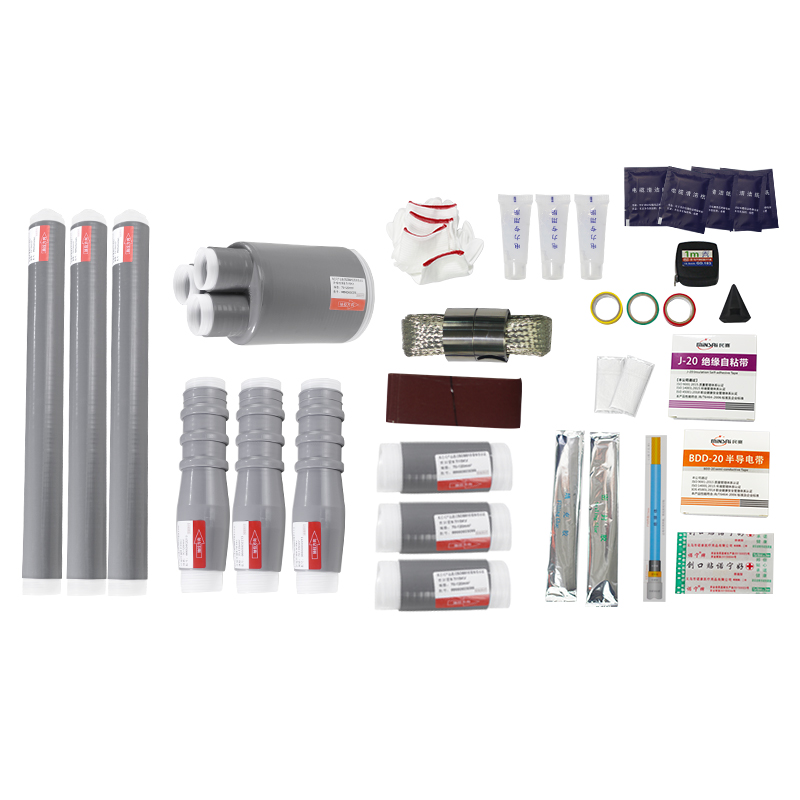
WLS户内外冷缩三芯WLS户内外冷缩三芯WLS户内外冷缩三芯WLS户内外冷缩三芯
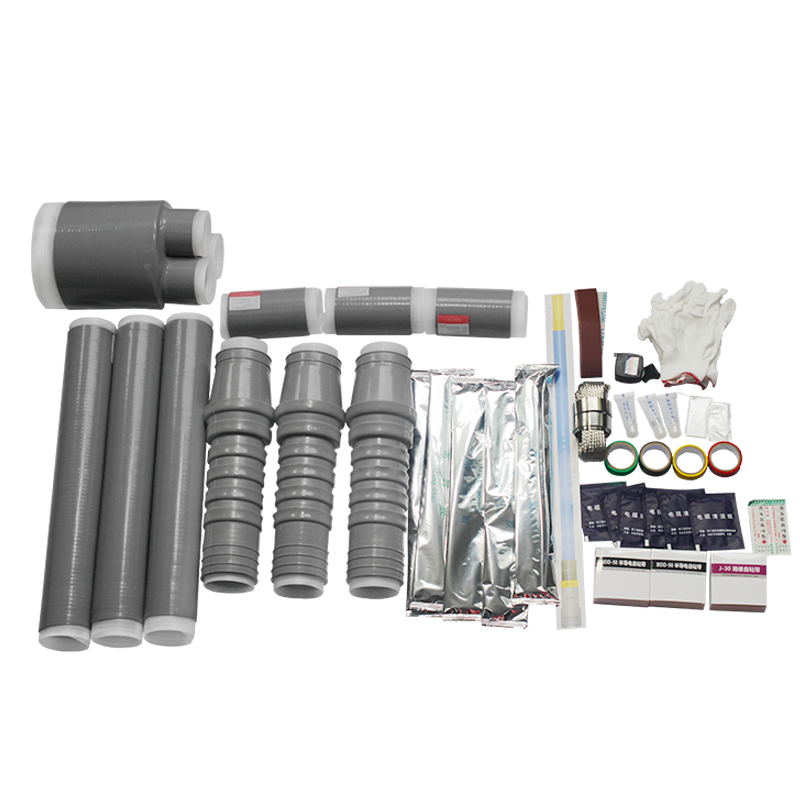
NLS-35户内冷缩三芯NLS-35户内冷缩三芯NLS-35户内冷缩三芯NLS-35户内冷缩三芯
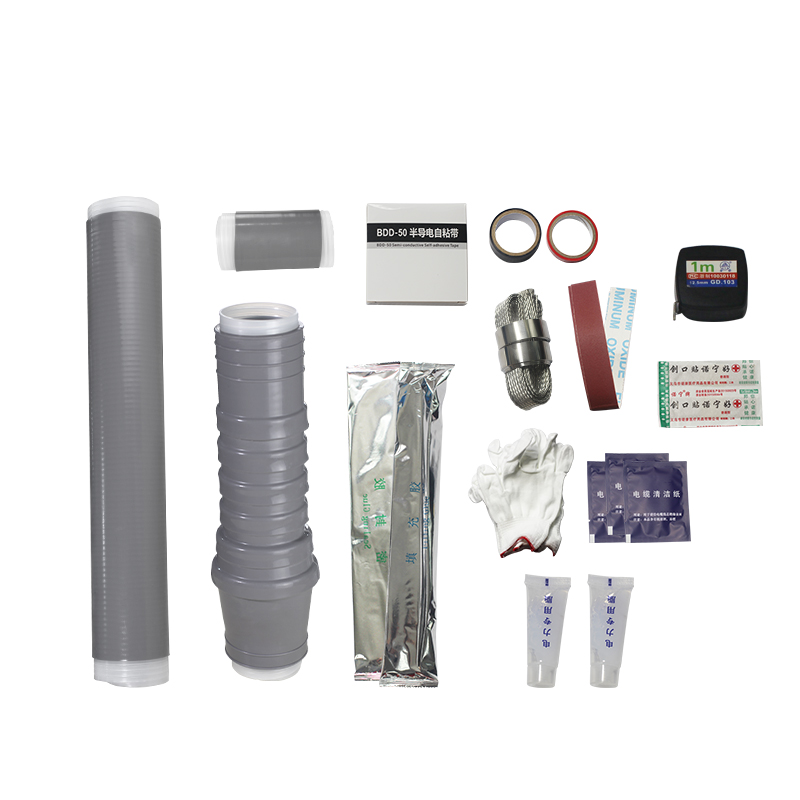
NLS-35户内单芯NLS-35户内单芯NLS-35户内单芯NLS-35户内单芯
Address:No.1, Lituo New Building, Keaisi Road, Xiangyang Industrial Zone, Liushi Town, Yueqing City, Zhejiang Province, China
Phone:+86 0577-62861931
Fax:0577-61778390

Follow official account


 Language